Mountain Cat Line Art Review for Real Projects
First Impressions of Mountain Cat Line Art
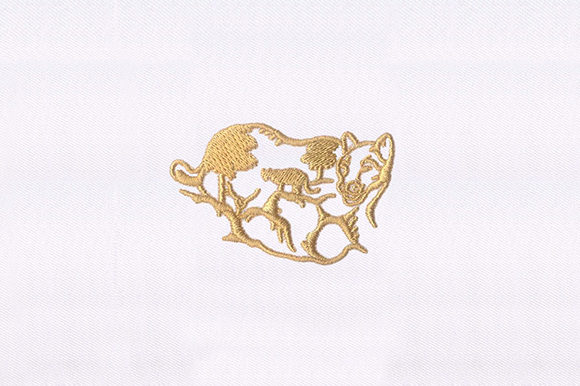
When I first opened the Mountain Cat Line Art embroidery file from Creative Fabrica, I was struck by its simplicity and charm. The design features a stylized mountain cat rendered in clean line art — no heavy shading or intricate details, just a bold outline that brings a sense of elegance to the overall look. As an experienced embroidery designer, I immediately recognized the potential for this piece in both personal and commercial projects. Its minimalist aesthetic makes it versatile enough to complement a wide range of styles while still standing out as a unique focal point.Performance in Real Embroidery Work
- Tote Bag Design: Stitched smoothly on cotton canvas. The line art didn’t distort under tension, and the final result had a crisp, professional finish.
- Sweatshirt Embroidery: Placed near the chest area, it maintained its shape despite the stretchy nature of the knit fabric. Using a light stabilizer helped keep the lines sharp.
- Embroidered Patch: Transferred beautifully onto felt for a patch design. The minimalism made it easy to frame and attach to denim jackets or backpacks.
- Baby Items: When stitched onto a soft muslin baby blanket, the design added a whimsical touch without being too busy. Perfect for a handmade product that needs to feel gentle and comforting.
- Cap Embroidery: Mounted on a curved surface, the design held up well. Placement was key, but once centered, it looked balanced and intentional.
- Aprons & Pillow Covers: The clean lines worked especially well on woven cotton, giving the finished items a polished look suitable for boutique merchandise or handmade gifts.
- Kitchen Towels: Stitching on linen didn’t cause any puckering. The design’s simplicity also made it easy to read in product photography, enhancing visual appeal for online listings.
Considerations for Practical Use
Small Hoop Sizes: The design isn’t overly large, so it should work within smaller hoops if positioned correctly. However, be cautious with tiny lettering or fine details — they may not stitch clearly unless you use a high-quality machine and test first.
Dense Stitch Areas: Since it’s a line art design, the stitch density is generally low, reducing the risk of puckering on delicate or textured fabrics. But always inspect the design closely for any fill stitch areas that might affect performance.
Textured or Stretchy Fabrics: While it handled medium-weight knits reasonably well, I recommend testing on textured or stretchy materials first. A little more attention to stabilizer and tension can help preserve the design’s integrity.
Dark Fabric Contrast: The lack of color in the design means thread choice becomes critical. On dark backgrounds, consider using white or metallic threads to ensure visibility and impact.
Impact on Product Value and Branding
From a business perspective, Mountain Cat Line Art adds a layer of sophistication to handmade products. For Etsy sellers and creative entrepreneurs, the design can elevate a basic item into something memorable — think of a sweatshirt embroidery that instantly draws attention or a custom tote bag that doubles as a lifestyle accessory. Its understated style aligns well with brands focusing on minimalist design or natural themes. If you’re building a collection around cats or nature-inspired motifs, this design fits seamlessly. It doesn’t scream for attention, yet it holds its own in a way that encourages customer engagement and repeat purchases.Giftability and Customer Appeal
As someone who creates personalized gifts, I appreciate how this design maintains a balance between uniqueness and approachability. A personalized gift embroidered with Mountain Cat Line Art feels handcrafted and thoughtful, even if the technique is digital. It’s particularly popular in nursery decor and seasonal handmade gifts, where a quiet, elegant motif often resonates more than something garish or over-the-top. Customer trust is another factor. When you offer a finished product with a clear, well-stitched design, buyers notice the quality. Even though it’s a digital embroidery file, the end result speaks volumes about your craftsmanship and attention to detail.Preparing for Production: Key Notes
- Test on Scrap Fabric: Always do a trial run before committing to a full production batch. Especially if you're working with stretchy or thin materials.
- Check Thread Color Contrast: Choose thread colors that will stand out against your fabric. Light and dark mockups can guide your decision.
- Review Stitch Density: Ensure that the digitizing doesn't have unnecessary dense areas that might cause puckering or uneven results.
- Confirm Hoop Size: Make sure the hoop size listed on the Creative Fabrica product page matches your intended application. Some machines allow for resizing, but it’s safer to stick to recommended sizes.
- Use Proper Stabilizer: Especially on stretchy or slippery fabrics. A tear-away or cut-away stabilizer can prevent distortion during stitching.
- Inspect Small Details After Stitching: Because of its line art style, every curve and corner must remain intact. Any skipped stitches or broken threads become more noticeable.
- Verify File Details and Licensing: Before selling commercial embroidery products, double-check the licensing information on the Creative Fabrica product page to ensure compliance.