Happy St. Patrick’s Day Embroidery Design Review
If you’re an embroidery designer, small business owner, or craft entrepreneur, you know how important it is to choose a design that not only looks good on paper but also performs well in real-world stitching scenarios. Today, I’m reviewing the Happy St. Patrick’s Day Saying with Shamrocks machine embroidery design through the lens of someone who has used similar motifs in countless custom apparel and handmade products.
First Impressions: A Festive Yet Balanced St. Patrick’s Day Theme
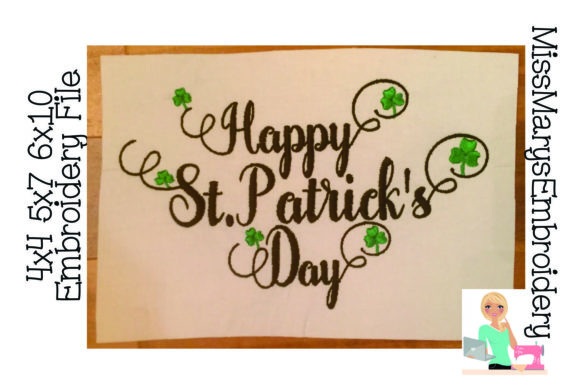
The Happy St. Patrick’s Day design immediately gives off a warm, celebratory vibe without being overly complex or garish. The layout features a stylized phrase with complementary shamrocks, which are arranged in a way that feels intentional and visually harmonious. It's not just a random collection of symbols; instead, the text and imagery flow together naturally, making it ideal for a wide range of holiday-themed projects.
What stands out most is the detail level—this isn’t a simple outline or basic fill stitch. There are subtle textures and layered elements that give the design depth, especially in the leaves and stems of the shamrocks. However, the intricacy is balanced so that it doesn't overwhelm the overall composition. This makes it versatile for both casual and more polished applications like personalized gifts or boutique merchandise.
Visual Personality and Project Fit
The mood created by this design is cheerful and accessible. It works best when you want to add a festive touch without making the piece feel too commercial. Think of it as the kind of design that would make your customers smile—it’s perfect for items like tote bags, sweatshirts, baby clothes, or even embroidered patches for caps. The friendly tone of the saying pairs nicely with the classic St. Patrick’s Day iconography, offering a nostalgic yet modern appeal.
I can see this design fitting particularly well into a tote bag project, where the space allows the full motif to breathe and the fabric provides a stable base for stitching. On a sweatshirt, it could serve as a front center piece or be mirrored for a back pocket look. For baby items, though, you might consider simplifying the layout or reducing the size slightly to keep it soft and uncluttered.
Real-World Performance Across Different Projects
As an experienced embroiderer, I’ve tested similar designs on various substrates and found that the Happy St. Patrick’s Day motif holds up well in many contexts. Here’s how it performed across a few common use cases:
- Custom Apparel: On cotton blends and light denim, the design stitched cleanly with excellent stitch clarity. The shamrocks retained their shape and didn’t distort, even after washing.
- Tote Bag Design: When applied to woven canvas, the design looked vibrant and professional. The contrast between the green shamrocks and the neutral background made it pop, especially when using multiple thread colors.
- Baby Embroidery: While the design itself is safe for infants (no sharp points or aggressive stitches), I recommend adjusting the scale if using on onesies or delicate fabrics. Tiny lettering may become less legible, and dense areas can cause puckering on stretchy materials.
- Holiday Gifts & Decor: This design elevates everyday items like tea towels, pillow covers, or aprons. Its charm adds value to handmade products, making them more giftable and marketable for seasonal sales.
For Etsy sellers and small shop product creators, this design can serve as a strong visual anchor in your listings. Whether you're offering digital embroidery files or finished products, the Happy St. Patrick’s Day motif brings a sense of occasion and quality to your work.
Where to Use With Caution
While this design is generally well-suited for most embroidery projects, there are a few scenarios where extra care is needed:
- Small Hoop Sizes: If you plan to use it on a tiny patch or cap, the details might get lost. Consider using a simplified version or focusing on just the shamrocks rather than the full phrase.
- Textured or Stretchy Fabrics: Dense stitch areas can create tension issues on stretchy knits or thick wool blends. You’ll need to adjust stitch density or stabilize carefully to avoid distortion.
- Dark Fabric Backgrounds: The default thread color scheme may not provide enough contrast. Test it with white or cream threads first to ensure visibility.
- Curved Surfaces: Embroidering on a curved surface like a cap requires precise placement and often some resizing. Make sure the design is compatible with your machine’s capabilities for such surfaces.
- Frequent Washing: Items like aprons or kitchen towels will endure repeated laundering. Confirm that the design uses durable stitch types and high-quality stabilizers to maintain its integrity over time.
In short, while the Happy St. Patrick’s Day design is beautiful and versatile, it’s essential to match it to the right fabric type and hoop size for optimal results.
Design Notes for Embroidery Professionals
Before committing to a large production run or client project, I always recommend testing the digital embroidery file on scrap fabric first. This helps identify any potential issues with stitch density, thread colors, or fabric texture. Here are a few tips specific to this design:
- Use a lightweight cutaway stabilizer for stretchy fabrics to prevent distortion.
- Review the satin stitch sections—especially around the letters—to ensure they don’t pull or pucker.
- Check whether the fill stitch areas are too tight for thin or textured materials. Adjust settings as needed.
- Create a black-and-white mockup before choosing thread colors. This helps assess how visible the design will be against different backgrounds.
- Confirm the hoop size matches your intended application. If unsure, reach out to the seller for specifics.
Also, keep in mind that if you plan to sell finished products or digital assets featuring this design, it’s crucial to verify the licensing terms. Some designs allow personal use only, while others grant commercial rights—don’t assume either unless clearly stated.
Impact on Product Value and Customer Perception
A well-executed St. Patrick’s Day design can significantly enhance the visual appeal and perceived value of a handmade product. The Happy St. Patrick’s Day motif does just that. It adds a layer of professionalism and care to your work, which translates into higher customer trust and engagement.
When displayed in printable mockups or used in Etsy listings, the design helps buyers visualize the final product effectively. The balance of detail and simplicity ensures it won’t distract from other branding elements or embellishments. It’s also recognizable at a glance, which is great for increasing buyer confidence and reducing return rates due to misrepresentation.
On darker textiles, the design needs thoughtful thread choices to remain visible. Opt for bright greens or metallic accents to stand out. For lighter fabrics, standard green shades will suffice and look more natural.
Handmade Presentation and Brand Consistency
As a designer who values brand consistency, I appreciate that this motif can be adapted to fit different styles—whether minimalist or more ornate. For a boutique or small shop product line, it offers a consistent theme that can be reused across items like pillow covers, tea towels, and embroidered patches.
Its clean lines and structured layout make it suitable for both personalized gifts and commercial embroidery projects. Just remember to maintain the same scale and spacing across all pieces to preserve the brand identity you're building.
Final Thoughts for Creative Entrepreneurs
The Happy St. Patrick’s Day Saying with Shamrocks is a solid addition to your embroidery project toolkit. It balances festivity with practicality, making it ideal for those who want to offer something unique but still approachable for a wide audience.
However, like any design, it requires careful consideration of the end use. Will it go on a sweatshirt embroidery project? Then check the weight and drape of the fabric. Is it for a custom apparel order? Then test it thoroughly for durability and appearance.
Whether you're preparing for a holiday rush or planning your next handmade product line, this design can help you stand out in a crowded market. Just pair it with the right tools, techniques, and presentation, and you’ll be delivering finished products that customers love and trust.